
NASA's Eco-Friendly Waste Management
As a mom who's always juggled family adventures and long road trips with the kids, I've learned that some of life's messiest moments happen when you're far from home. But what if I told you that life has gotten easier thanks to technology originally designed for astronauts in space. Parents can now handle those "bio breaks" in an eco-friendly way right here on Earth. That's the magic of NASA's spinoffs – innovations born from space exploration that make everyday life better and greener. Today, we dive into one such gems, the eco-friendly portable waste solutions inspired by NASA's Maximum Absorbency Garment (MAG).
The Origins of NASA's MAG Technology
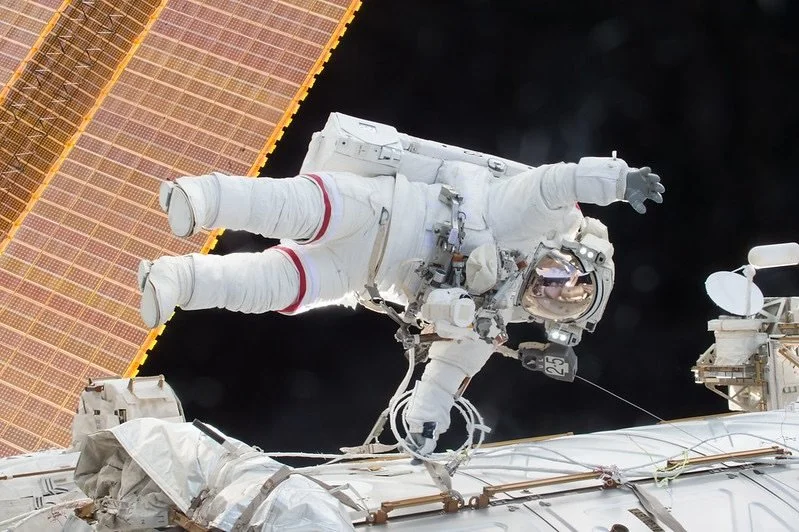
Developed in the early 1980s by engineers at NASA's Johnson Space Center, the MAG was created to support astronauts during extended spacewalks on the International Space Station.
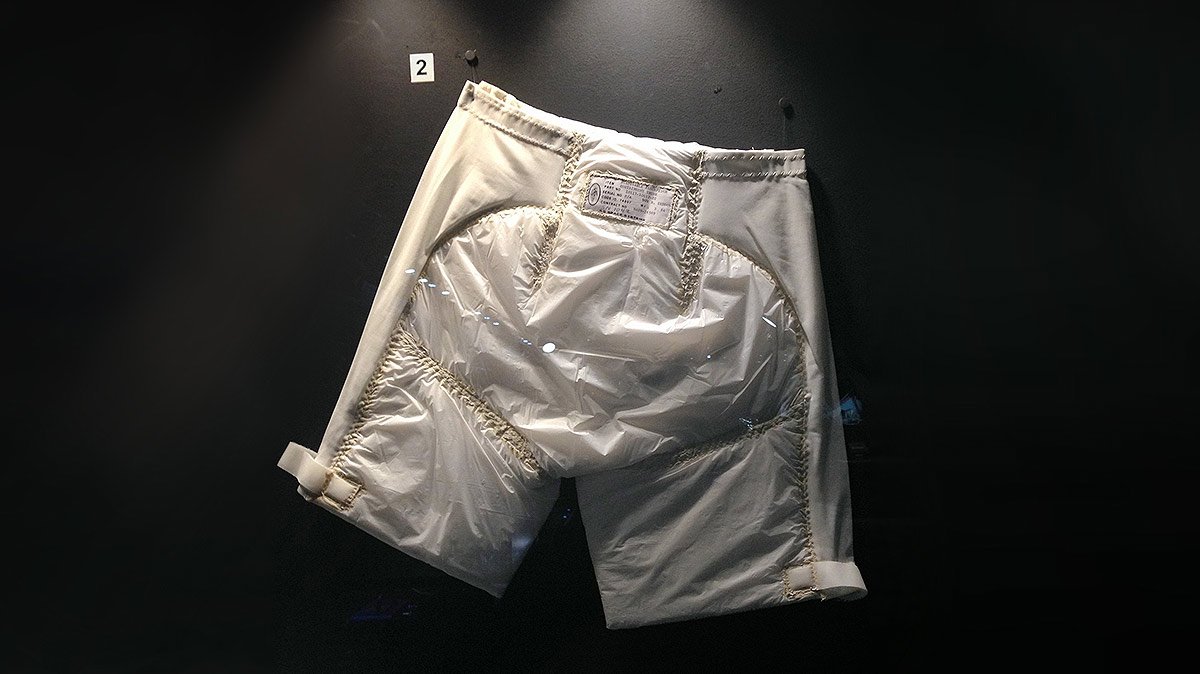
This garment utilizes a patented superabsorbent polymer, sodium polyacrylate, layered between moisture-wicking fabrics to absorb urine and convert it into a stable gel for hygienic disposal. Unlike earlier systems from the Apollo era, which relied on cumbersome tubes and collection bags, the MAG accommodates diverse body types and ensures comfort during extravehicular activities.
The patent for this technology expired in the 1990s, allowing its adaptation for terrestrial uses. Today, the same polymer is integral to products like disposable diapers, but its application in portable waste management stands out for its environmental benefits. By solidifying liquid waste and neutralizing odors, these solutions help mitigate pollution in sensitive ecosystems, aligning with principles like "Leave No Trace" in wilderness areas.
The Leader of the Commercial Adaptation
Headquartered in Oceanside, California, American Innotek Inc., operating under brands such as Cleanwaste, Brief Relief, and Restop, has been at the forefront of commercializing NASA's polymer technology since 1999. Initially focused on military applications, the company expanded to serve outdoor enthusiasts, emergency responders, and medical professionals. In 2021, American Innotek acquired Phillips Environmental Products, further consolidating its portfolio under the Cleanwaste brand.
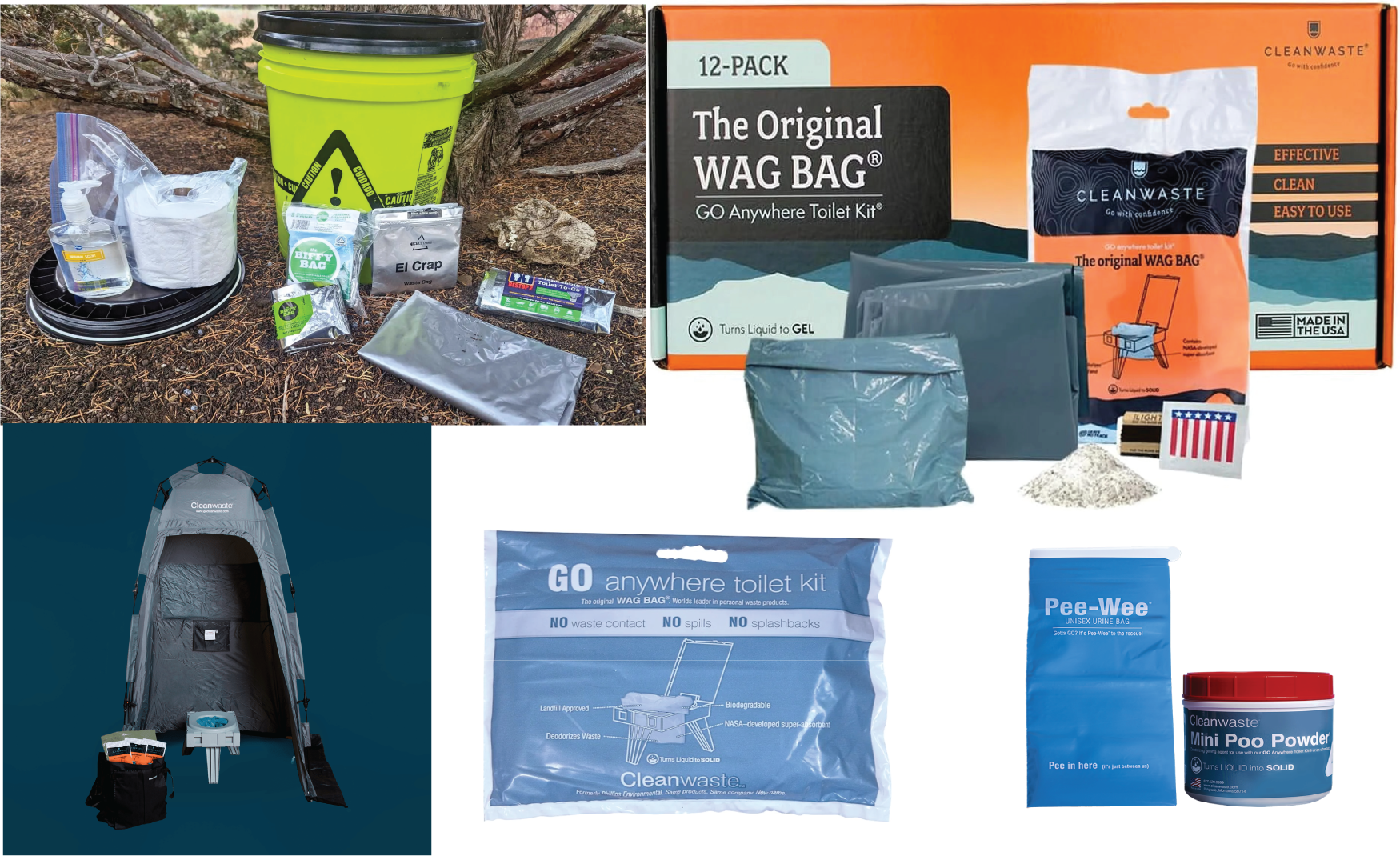
Key products include:
WAG Bags (Waste Alleviation and Gelling Bags) These biodegradable bags contain the superabsorbent polymer to gel both liquid and solid waste, preventing leaks and odors. They are widely used by hikers, campers, and at large events like Burning Man, where traditional sanitation infrastructure is absent.
**Poo Powder and Pee Wee**: Specialized powders and bags that solidify waste, facilitating safe disposal in landfills or composting where permitted.
**GO Anywhere Portable Toilet System**: A compact, waterless commode that integrates with WAG Bags for dignified, hygienic use in remote settings.
American Innotek's products, like Cleanwaste, are manufactured in the USA and emphasize environmental responsibility, helping users comply with regulations in national parks and forests.This technology also addresses growing concerns about water contamination in overcrowded natural areas: "The national forests are becoming so crowded that no one can use the provided bathrooms."
Recent developments, as of 2026, show the company continuing to innovate in portable sanitation for diverse sectors, including medical and disaster relief, with no major acquisitions or product launches reported in 2024-2025.
Other Companies and Innovations in the Field
The expiration of NASA's MAG patent has enabled broader adoption of superabsorbent polymers in portable waste management. While American Innotek dominates with direct NASA-derived applications, several competitors offer similar solutions:
- **Disposa-John (by Brief Relief)**: Part of American Innotek's portfolio, this product uses a proprietary LIQSORB polymer to absorb up to 28 ounces of liquid waste, turning it into an odorless gel. It is marketed for travel, emergencies, and outdoor use, providing a non-toxic, spill-proof alternative.
- **Restop**: Another American Innotek brand, offering disposable bags with enzymes and polymers that break down waste into a safe, deodorized form. The RS1 and Restop 2 systems are popular for boating, climbing, and remote work sites.
- **Green Elephant and Survivor brands**: These companies provide WAG-style bags with superabsorbent gels, focusing on biodegradability and ease of use for backpacking. While not explicitly licensed from NASA, their technologies mirror the gelling mechanism for environmental protection.
- **Ann Katy and Generic Polymer Kits**: Available through retailers like Amazon, these budget-friendly options use superabsorbent polymers for camping toilets, emphasizing portability and rapid absorption.
Emerging innovations, such as Planet Smart's biodegradable SAP, are expanding the field by offering sustainable alternatives for hygiene products, potentially applicable to waste management. However, NASA's ongoing LunaRecycle Challenge, launched in 2024 and advancing to Phase 2 in 2025, focuses on space-based waste recycling rather than Earth spinoffs, though it may inspire future terrestrial adaptations.
Environmental and Societal Impact

The proliferation of these technologies is critical amid rising outdoor recreation. U.S. national parks see millions of visitors annually, generating approximately 100 million pounds of trash each year, with improper waste disposal contributing to water contamination, wildlife harm, and ecosystem degradation. A 2025 waste audit revealed that microplastics constitute over half of trash in national parks, while plastic overall accounts for 77-85% of litter. Public lands accumulate an estimated 70 million tons of trash annually, equivalent to 155 times the weight of the Statue of Liberty.
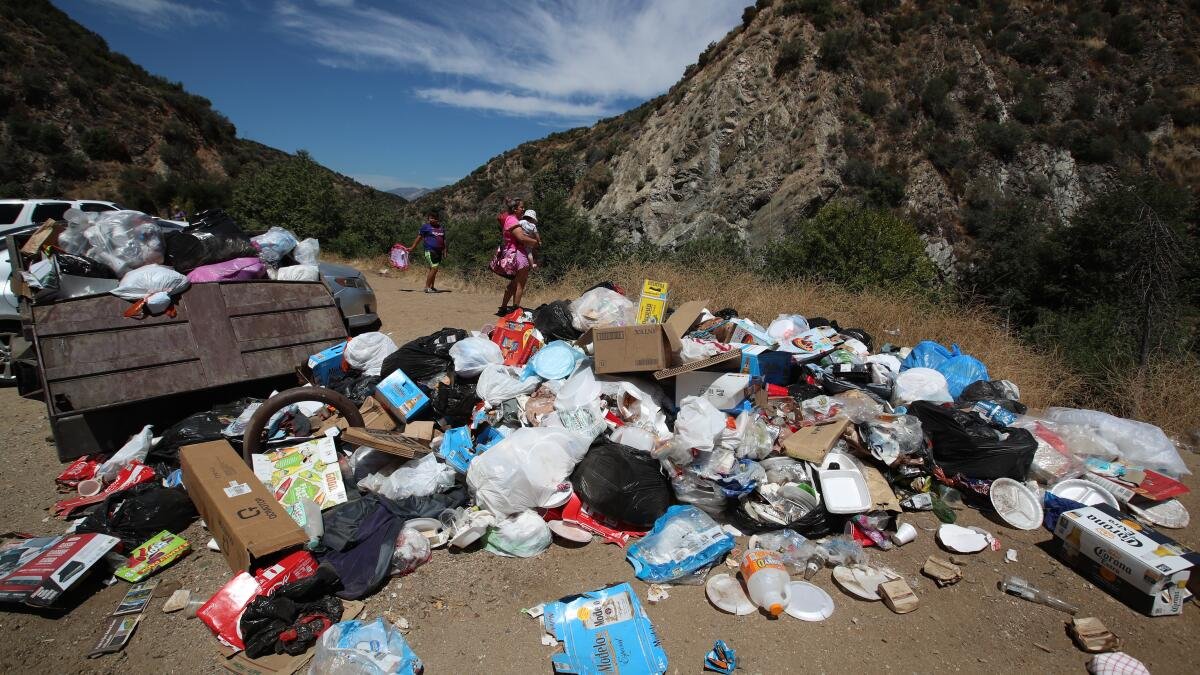
By enabling responsible waste handling, NASA-derived products reduce these impacts, preventing the spread of pathogens and preserving biodiversity. They also support sustainable tourism, emergency preparedness, and compliance with environmental regulations, demonstrating how space technology can foster planetary stewardship.
Conclusion
NASA's MAG spinoff exemplifies the transformative potential of aerospace innovations for everyday sustainability. Through companies like American Innotek and emerging competitors, these solutions provide practical, eco-friendly alternatives to traditional sanitation, safeguarding natural environments for future generations. For more details on NASA spinoffs, visit the official NASA Spinoff database.